
The biggest screen in the house just officially broke the scale.
Connected TV (CTV) ad spend in the U.S. is projected to hit a staggering $38 billion this year. To put that in perspective, industry insiders are calling this “the most significant targeting revolution since Google AdWords.”
With Netflix on track to capture 10% of global CTV ad spend by 2027, the land grab is on. But while the money is flowing, most publishers and advertisers are still using an outdated playbook.
The Third Category Problem
Here is the hard truth: CTV isn’t TV, and it isn’t digital. If you treat it like traditional linear TV, you waste money on broad reach with zero precision. If you treat it like standard programmatic digital, you lose the lean-back premium engagement that makes TV so powerful.
The brands and publishers winning right now realize that CTV is a unique third category that offers:
- Premium Environment: The high-production value of TV.
- Precision Targeting: Neighborhood-level (ZIP code) granularity.
- Full-Funnel Measurement: The ability to see an ad on a TV and track the eventual purchase on a laptop or phone.
“Our clients using programmatic CTV with proper targeting are seeing 3x higher brand lift than linear TV at 60% of the CPM. The inventory is there; the question is whether you have the strategy to capture it.”
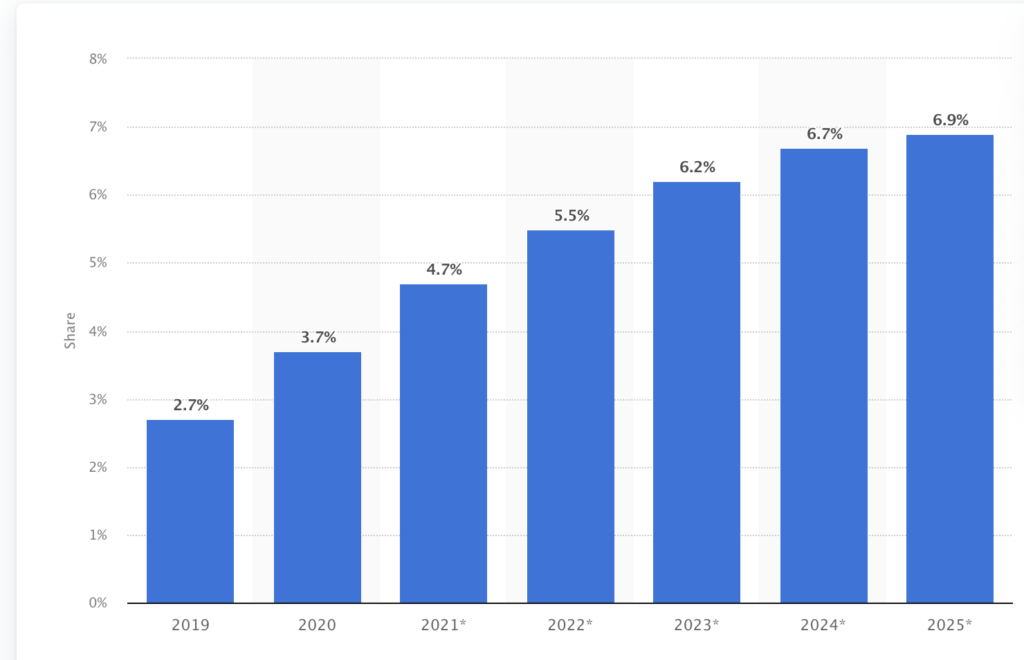
Who are the Biggest CTV Publishers?
Connected TV (CTV) has become an increasingly popular way for people to consume media, with more and more viewers opting for streaming services and on-demand content. As a result, the advertising opportunities in the CTV space have exploded in recent years, with numerous media companies and publishers vying for a piece of the pie.
While there are many players in the CTV advertising space, some have established themselves as top publishers. These companies have invested heavily in creating high-quality content and building strong relationships with advertisers. Let’s take a closer look at some of the biggest CTV publishers:
Netflix: With over 200 million subscribers worldwide, Netflix is one of the largest streaming services in the world. The platform has invested heavily in creating original content, including hit shows like Stranger Things and The Crown, and has become a major player in the CTV advertising space.
It is reportedly partnering with Microsoft to launch a new ad-supported subscription plan. This collaboration aims to offer users a more affordable option by incorporating advertisements into the streaming experience. While Netflix has built its success on an ad-free model, this strategic move allows them to tap into a broader audience segment and potentially increase revenue streams. By teaming up with Microsoft, known for its advertising technology expertise, Netflix aims to strike a balance between user experience and financial sustainability in an ever-evolving streaming landscape.
Disney+: Disney Plus, the popular streaming service has already introduced its ad-supported business model in the U.S. This strategic move is aimed at providing a more affordable subscription option for users by integrating advertisements into the streaming content. While Disney Plus initially launched as an ad-free platform, the introduction of ads is expected to generate additional revenue streams and help offset the costs of producing high-quality content. By embracing this ad-supported approach, Disney Plus aims to strike a balance between offering affordable pricing and maintaining a vast library of diverse entertainment options for its subscribers.
Hulu: Owned by Disney, Hulu is another popular streaming service that has made a name for itself in the CTV space. The platform offers a mix of on-demand content and live TV, making it a popular choice for cord-cutters who still want access to live programming.
Amazon Prime Video: Amazon’s streaming service has also become a major player in the CTV advertising space. With a library of original content, including award-winning shows like The Marvelous Mrs. Maisel, Amazon Prime Video has attracted a large and loyal audience.
NBCUniversal: As one of the largest media companies in the world, NBCUniversal has a significant presence in the CTV advertising space. The company owns a number of popular networks, including NBC, Bravo, and USA, and has invested heavily in creating high-quality content for its viewers.
ABC: Another major broadcaster, ABC has also established itself as a top CTV publisher. The network offers a mix of live programming and on-demand content, including hit shows like Grey’s Anatomy and The Bachelor.
While these publishers have established themselves as major players in the CTV space, there is still room for smaller publishers to succeed. By focusing on niche audiences or creating unique content, smaller publishers can carve out a space for themselves in the competitive world of CTV advertising.
What are some Interesting CTV Trends?
Connected TV (CTV) has revolutionized the way we consume video content. With the rise of CTV, we have seen numerous trends emerge that have transformed the advertising industry. Let’s dive deeper into some of the most interesting CTV trends.
In the realm of CTV (Connected TV) publishers, there is a notable trend toward both consolidation and fragmentation. While major players like Netflix and Disney Plus continue to dominate the market, smaller CTV publishers are also experiencing significant growth.
Consolidation:
Netflix: As a pioneer in the streaming industry, Netflix has established a strong foothold and continues to expand its subscriber base worldwide. Its extensive library, original content, and global presence contribute to its consolidation of the CTV market.
Disney Plus: With its vast collection of beloved franchises and exclusive content, Disney Plus has quickly gained popularity and amassed a large subscriber base. The acquisition of other major entertainment companies, such as 21st Century Fox, has further solidified its position.
Fragmentation:
The emergence of New Players: Smaller CTV publishers, both established and emerging, are entering the market. Examples include Amazon Prime Video, Hulu, HBO Max, and Peacock. These platforms offer unique content and target specific audience segments, contributing to the fragmentation of the CTV landscape.
Niche and Regional CTV Publishers: Alongside the major players, niche and regional CTV publishers are gaining traction. These platforms cater to specific interests or target local markets, providing diverse content options and contributing to the fragmentation of the CTV ecosystem.
Overall, while industry leaders like Netflix and Disney Plus continue to dominate, the CTV market is witnessing the growth of smaller players, resulting in a combination of consolidation and fragmentation in the industry.
The Rise of Dynamic Ad Insertion (DAI)
One of the most interesting trends in CTV is the rise of dynamic ad insertion (DAI). DAI technology allows advertisers to deliver personalized video ads to individual viewers, making the ads more relevant and engaging. This technology has become increasingly popular in recent years, as it enables advertisers to target specific audiences with relevant ads. With DAI, publishers can target different viewers based on demographics, interests, and location, which has proven to be highly effective in driving engagement and conversions.
For example, if a viewer in New York City is watching a cooking show on their CTV, DAI technology can deliver an ad for a local grocery store chain that is running a promotion on ingredients for a recipe featured in the show. This level of personalization has proven to be highly effective in driving engagement and conversions.
The Increasing Use of Programmatic Advertising
Another trend is the increasing use of programmatic advertising, allowing advertisers to more accurately target specific audiences. This has spurred growth in the use of supply-side platforms (SSPs) to manage ad inventory and make it available to demand-side platforms (DSPs) programmatically.
Programmatic advertising has become increasingly popular in recent years, as it enables advertisers to target specific audiences with relevant ads. By using data to target specific demographics, interests, and behaviors, programmatic advertising has proven to be highly effective in driving engagement and conversions.
For example, if a viewer has recently searched for a new car online, programmatic advertising can deliver an ad for a local car dealership that has the exact make and model the viewer is interested in. This level of personalization has proven to be highly effective in driving engagement and conversions.
The Emergence of CTV Advertising Platforms

As CTV continues to grow in popularity, we have seen the emergence of CTV advertising platforms that enable advertisers to reach their target audiences more effectively. These platforms offer a range of targeting options, including demographic, interest-based, and geographic targeting, allowing advertisers to reach their desired audiences with relevant ads.
CTV advertising platforms also offer advanced analytics and reporting, enabling advertisers to track the performance of their campaigns in real-time. This level of insight has proven to be highly valuable in optimizing campaigns for maximum effectiveness.
In conclusion, the rise of CTV has transformed the advertising industry, and we have seen numerous trends emerge that have revolutionized the way we consume and deliver video content.
From the rise of DAI to the increasing use of programmatic advertising, CTV has opened up new opportunities for advertisers to reach their target audiences more effectively.
The Opportunity for Legitimate Publishers
As advertisers become more sophisticated in their buying practices, they increasingly value:
Direct Relationships: Publishers who can establish direct deals with advertisers bypass intermediaries and provide greater transparency.
Verified Audiences: Platforms that can prove their audience authenticity through third-party verification gain competitive advantages.
Transparent Reporting: Publishers offering detailed, verifiable metrics build stronger advertiser relationships.
Brand Safety: Legitimate content environments become increasingly valuable as advertisers seek to protect their brand reputation.
Building Advertiser Confidence
To capitalize on this opportunity, focus on:
Comprehensive Auditing: Implement robust verification systems to ensure inventory quality and audience authenticity.
Direct Sales Initiatives: Develop capabilities to work directly with advertisers and agencies, reducing supply chain complexity.
Enhanced Measurement: Provide detailed, verifiable metrics that demonstrate real human engagement rather than just impression counts.
Transparent Practices: Clearly communicate inventory sources, audience composition, and measurement methodologies.
Key Opportunities for CTV Publishers
For publishers, CTV represents a massive opportunity to connect with audiences in a highly engaging and measurable way. Publishers can leverage CTV to deliver targeted ads, expand their content offerings, and build partnerships with streaming platforms.
Targeted Advertising and Personalization
Targeted advertising and personalization are two key opportunities for publishers in the CTV space. CTV platforms collect a wealth of data on viewers, including their viewing habits, demographics, and location. This data can be leveraged to deliver highly targeted ads that are more relevant and engaging to individual viewers.
Personalization is also critical to the success of CTV, as viewers expect a highly tailored and customized experience. Publishers can use data to deliver personalized recommendations, offer interactive content, and create immersive advertising experiences.
How can publishers get involved in CTV?
Expanding content offerings is another key opportunity for publishers in the CTV space. With the rise of streaming services, consumers have an insatiable appetite for content, and publishers that can deliver high-quality, engaging content are well-positioned to succeed.
Publishers can expand their content offerings by creating original shows, licensing content from other providers, and leveraging user-generated content. They can also experiment with new formats such as short-form video, live streaming, and interactive content.
Partnerships with Streaming Platforms
Partnerships with streaming platforms are an effective way for publishers to expand their reach and access new audiences. By partnering with streaming platforms, publishers can gain access to a highly engaged and loyal user base, as well as advanced targeting and measurement capabilities.
Partnerships can take many forms, including content licensing, co-marketing campaigns, and data-sharing agreements. Publishers that can create unique and valuable partnerships are likely to see increased revenues and viewer engagement.
Challenges Faced by Publishers in the CTV Market
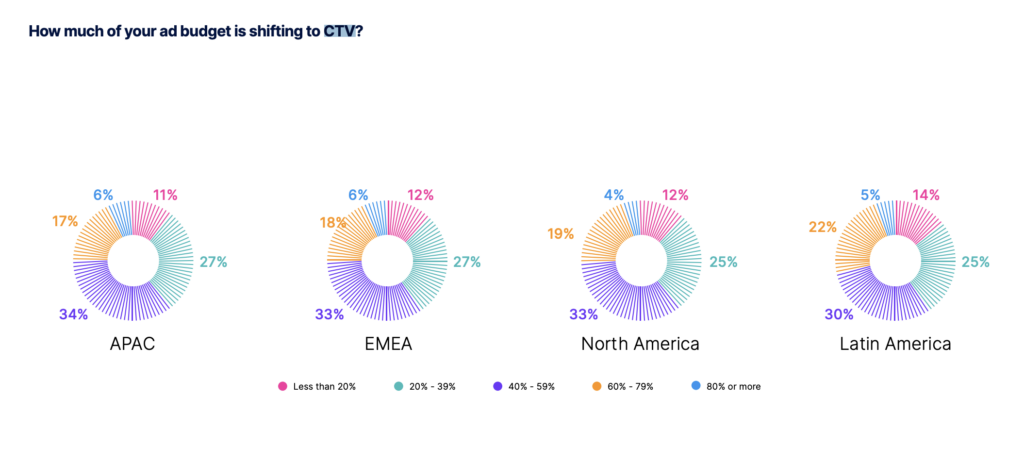
While the CTV market presents many opportunities for publishers, it also poses significant challenges. These challenges include competition with established players, fragmentation of the ecosystem, and maintaining user privacy and security.
Competition with Established Players
The CTV market is characterized by intense competition, with established players such as Netflix and Amazon dominating the space. These players have built strong brands, loyal user bases, and vast libraries of content, making it difficult for smaller publishers to compete.
Smaller publishers need to focus on creating unique and engaging content, building strong brand identities, and leveraging data to deliver highly targeted and personalized experiences.
Fragmentation of the CTV Ecosystem
The CTV ecosystem is highly fragmented, with a multitude of devices, platforms, and apps competing for attention. This fragmentation can make it difficult for publishers to reach audiences effectively, as viewers may use different devices and platforms for different content.
Publishers need to adopt a cross-platform approach, creating content that is optimized for different devices and platforms. They also need to stay up-to-date with emerging technologies and industry standards to ensure that their content is accessible and engaging across the full range of CTV devices.
Maintaining User Privacy and Security
User privacy and security are critical issues in the CTV space, as viewers share sensitive data such as viewing habits, location, and personal information. Publishers need to take steps to protect user data, including implementing strong data security measures, obtaining consent, and being transparent about data collection policies.
Publishers also need to work with advertisers to deliver ads that are both effective and respectful of user privacy. Effective ad targeting and personalization require access to data, but this data must be collected and used in a way that respects user privacy and builds trust with viewers.
3 Plays to Master the CTV Revolution
To stay ahead of the curve as Netflix, Disney+, and Prime Video ramp up their ad tiers, you need to pivot to these CTV-native strategies:
- Hyper-Local Sequential Storytelling: Don’t just blast an ad. Build a narrative arc across viewing sessions, targeting specific households with tailored messaging that evolves as they watch.
- Cross-Device Orchestration: CTV drives the intent; mobile captures it. If your attribution doesn’t connect the big screen to the small screen, your ROI will look like a ghost.
- Inventory Optimization: As CTV inventory becomes more expensive, testing is no longer an option; optimization is. Early movers are locking in pricing and placements, while others are still experimenting.
Stop Leaving CTV Revenue on the Table
If you’re still treating CTV like a side project in 2026, you’re already behind. The gap between those with a CTV presence and those with a CTV-native strategy is widening every day.
At MonetizeMore, we help publishers and advertisers navigate this $38B shift without wasting months (and millions) on trial and error. We provide the technology and the expertise to ensure your programmatic stack is optimized for the highest possible yield in this new era of television.
Ready to turn the CTV revolution into your biggest revenue driver?
Book a consultation with MonetizeMore today and let’s scale your CTV strategy.
source https://www.monetizemore.com/blog/ctv-landscape/



![Best Mobile Ad Sizes to implement in 2026 [Don’t miss out]](https://lh3.googleusercontent.com/blogger_img_proxy/AEn0k_tm3ptgpikJqgVJDqoxrbOh8Xp2yBpmmmxCNDnBFPl1Tdzi1qep6avFvxbA__Chr9uqHkI1e3GTBlCbo1MKhj5_B1wBV9BgJ0nfTxQwgbrTTvCzUpVl0g=w680)
![Ads with Fallacies: Avoiding the Pitfalls [10 examples included]](https://lh3.googleusercontent.com/blogger_img_proxy/AEn0k_uFEF6BsqcFSddOhWc6JZK_gW7i3o8Qx2EpH_L2Of8NFmp96Z7Gx6Fcl2vUVkAvDrG3ktbX2GYy10eKUZpjbbT1VzRczYR0Imt5mtXNMs2CSU6tZ7fsjmtWQeMPEWedYZCZcD2WAGltBo8WUhI9y0nO34hlWRg=w680)


0 Comments