
Supply path optimization (SPO) is the process of identifying the most efficient route for programmatic ad inventory to move from publishers to advertisers. By eliminating unnecessary intermediaries and reducing auction duplication, SPO helps publishers keep more of each advertising dollar. In 2025, the practice has evolved beyond simply cutting out supply-side platforms (SSPs); it now encompasses traffic shaping, dynamic price flooring, first-party data strategies, and machine-learning-powered optimizations.
In programmatic advertising, auctions often involve multiple SSPs and demand-side platforms (DSPs). SPO streamlines these connections to deliver ad impressions via the most direct, cost-efficient path. The SPO lets buyers find the shortest, most efficient route for their bids while enabling publishers to increase long-term revenue. Eliminating redundant hops reduces hidden fees and bid duplication, enabling more advertising spend to reach the publisher rather than disappearing into the supply chain.
Best Supply Path Optimization Partners in 2025
SPO isn’t just a technology-it’s about selecting partners who deliver transparency, efficiency, and scale. Based on publicly available information from industry analyses, here is a comparative overview of notable SPO partners. MonetizeMore takes the top spot thanks to its comprehensive suite of tools for publishers.
| Rank | Partner | Strengths & Rationale |
|---|---|---|
| 1 | MonetizeMore | Offers an all-in-one platform with tools like PubGuru, Traffic Cop, and Advanced Ads to maximize revenue and block invalid traffic. Its SPO guidance includes auditing supply chains, negotiating fair contracts, and building first-party data strategies. MonetizeMore’s focus on protecting publisher revenue and offering hands-on ad operations support makes it the most complete SPO partner for publishers of all sizes. |
| 2 | Playwire | A managed service provider that emphasizes key SPO trends such as direct-to-DSP connections, traffic shaping, dynamic price floors, and machine-learning-driven optimization. Playwire’s RAMP platform aggregates demand and offers robust ads.txt management, making it a strong partner for mid-to-large publishers seeking advanced analytics and personalized support. |
| 3 | The Trade Desk – OpenPath | A leading DSP offering direct connections to over 300 publishers through its OpenPath initiative. The platform’s AI helps buyers find efficient supply routes and includes features like Blue Lists for preferred paths. OpenPath is best suited for large publishers and advertisers looking to minimize intermediaries and access premium inventory directly. |
| 4 | Setupad | Provides self-service and managed SSP accounts with transparent fee structures. Setupad’s educational content highlights SPO best practices and underscores the importance of minimizing auction duplication, optimizing ads.txt files, and working with a limited number of high-quality SSPs. Ideal for small to medium publishers seeking hands-on control over their programmatic stack. |
| 5 | Nativo | Nativo’s programmatic platform combines an SSP with curated marketplace capabilities. Its SPO guidance focuses on identifying truly direct connections, understanding fee structures, and evaluating auction speed. Nativo suits publishers looking for a turnkey solution that integrates native ad formats with transparent supply paths. |
Why SPO Matters Now: The Publisher Revenue Crisis
Digital publishers are experiencing a significant revenue erosion characterized by:
- Excessive Supply-Side Platform (SSP) fees
- Diminishing profit margins
- Compromised user experience
- Reduced data value
Key Revenue Challenges
- Revenue Share Disparities: Some SSPs retain up to 98% of advertising revenue, leaving publishers with minimal compensation.
- Ad Performance Degradation: Excessive ad density negatively impacts user engagement and site performance.
- Data Integrity Concerns: Uncontrolled third-party tracking and reselling compromise first-party data value.
Programmatic auctions became more complex after header bidding became the standard in 2014. Working with many SSPs can lead to hundreds of bid requests for the same impression, increasing latency, decreasing the user experience, and introducing hidden costs. Only about 51 % of programmatic spend typically reaches a publisher, while around 15 % of ad spend disappears into the ecosystem without attribution. Advertisers are increasingly adopting SPO algorithms; 87% of brands, agencies, and DSPs are implementing them. Publishers that do not optimize their supply paths risk losing demand and revenue.
The SPO Lie: Why “Fewer Hops” Isn’t Enough
Supply Path Optimization (SPO) is often oversimplified as a game of reducing the number of intermediaries or “hops” between publishers and advertisers. While trimming redundant SSPs is a start, the real problem lies deeper. Here’s why cutting hops alone fails to fix the rot in programmatic supply chains:
1. Hidden Fees: The Silent Revenue Killers
Reducing hops doesn’t eliminate the predatory fee structures baked into remaining partnerships. Even with fewer SSPs, publishers face:
- Bidder Fees: DSPs and exchanges add surcharges for “bid optimization,” which rarely benefit publishers.
- Arbitrage Schemes: Middlemen buy inventory cheaply from publishers and resell it to advertisers at 3–5x markup, pocketing the difference.
Example: A publisher works with 3 SSPs instead of 10, but each charges 20% fees + arbitrage margins. Result? Net revenue remains stagnant or, worse, declines.
2. Fake Transparency: The Shell Game
SSPs tout “transparency” while obscuring critical details:
- Blind Demand: Many SSPs mask buyer identities, labeling demand as “agency trading desk” or “private buyer” to hide arbitrageurs.
- Aliased Inventory: Resellers rebrand publisher inventory (e.g., “premium video network”) to inflate prices without passing gains to publishers.
- Opaque Auction Dynamics: SSPs rarely reveal bid density, floor pricing, or why certain buyers win over others.
The Impact: Publishers can’t audit who is buying their inventory, how much buyers actually pay, or why bids fail.
3. The CTV Supply Chains Trap
A CTV ad impression travels through an aggregator → SSP → reseller → DSP → advertiser. Each hop skims 10–15%, leaving publishers with <40% of the original bid. Connected TV’s supply chain is a multi-layered mess, with 5+ intermediaries per impression:
- Content Aggregators: Bundle inventory from CTV apps, taking a cut before passing it to SSPs.
- Device Wars: Roku, Amazon, and Samsung demand fees for access to their CTV ecosystems.
- SSP Arbitrage: CTV-focused SSPs often blend premium inventory with low-quality “Made for Advertising” (MFA) sites, diluting publisher value.
SPO vs. DPO
Supply path optimization focuses on the supply side-publishers, ad exchanges, and SSPs-while demand path optimization (DPO) centers on the demand side-advertisers and their buying platforms. Both techniques aim to increase transparency and efficiency, but SPO is specifically designed to help publishers reclaim revenue by controlling how their inventory is sold. DPO, on the other hand, helps advertisers find the most efficient path to inventory, often by consolidating demand partners.
Step-By-Step SPO Strategy: 7 Steps to Reclaim Control
1. Audit Your Supply Chain Like a Bloodhound
- Map Every Hop: Use tools like Jellyfish to trace SSP paths, fees, and demand sources.
- Kill Underperformers: Cut SSPs with <5% bid density, low win rates, or inflated take rates.
2. Negotiate SSP Contracts Ruthlessly
- Demand transparent fee breakdowns (no hidden “tech costs”).
- Enforce minimum revenue guarantees or shift to flat fees.
3. Prioritize Direct Demand Relationships
- PG/PMP Over Open Auction: Programmatic Guaranteed and PMPs reduce reliance on chaotic open markets.
- Co-Sell with Brands: Partner with advertisers for custom deals (e.g., IPG’s CTV tests with Magnite).
4. Build a First-Party Data Fortress
- Zero-Party Data: Offer premium content in exchange for user insights (e.g., quizzes, gated reports).
- Unified IDs: Invest in alternatives like UID2 or LiveRamp to reduce cookie dependency.
5. Trim the Fat in CTV & Audio
- CTV SPO: Work with DSPs like The Trade Desk’s OpenPath to bypass SSP markups.
- Audio’s Hidden Gold: As Jonathan Lieberman notes, “Audio is the most underutilized tactic” to leverage SPO for clean podcast/streaming deals.
6. Demand SSP Accountability
- Block Unauthorized Reselling: Use ads.txt/app-ads.txt to prevent inventory hijacking.
- Penalize SSPs for Data Leaks: Enforce strict terms on data usage and resale.
7. Think Beyond SPO: Own Your Destiny
- Direct Sales Teams: Invest in human relationships. Brands pay premiums for guaranteed, brand-safe inventory.
- Subscriptions & Micropayments: Reduce ad dependency with membership models (e.g., The Guardian).
How to Detect and Block SSP “Bid Duplication”
A dirty secret: Some SSPs resubmit the same impression to multiple DSPs, artificially inflating bids while pocketing extra fees.
Red Flags:
- Identical impressions appearing across multiple SSPs.
- Sudden spikes in bid density without revenue increases.
Fix It:
- Use SupplyChain Object (in OpenRTB) to trace bid paths.
- Work with DSPs to block duplicate demand sources.
The Role of Header Bidding in SPO (Is It Helping or Hurting?)
Header bidding was meant to democratize demand, but poorly managed, it adds latency and complexity.
SPO Best Practices for Header Bidding:
- Limit SSPs: 5-7 high-quality partners max (down from 12+).
- Prioritize Unified Auction: Server-side header bidding (Prebid.js) reduces page latency.
- Monitor Timeouts: Slow SSPs = lost revenue. Cut those with >500ms response times.
How to Leverage Ads.txt & Sellers.json for SPO?
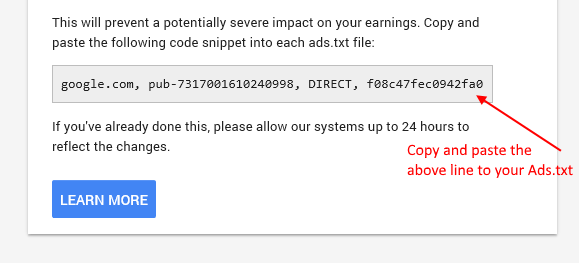
These files are your first line of defense against unauthorized resellers.
Ads.txt: Lists authorized sellers of your inventory.
- Audit monthly: Remove inactive or suspicious entries.
Sellers.json: Exposes who’s actually selling your inventory (SSPs, resellers, etc.).
- Block bad actors: If an SSP lists unauthorized resellers, demand removal or drop them.
SPO for Video & CTV: Cutting Through the Fragmentation
CTV’s supply chain is a wild west of arbitrage. Fix it with:
- Direct Publisher Deals: Bypass aggregators (e.g., work directly with Roku or Disney).
- Prebid Video: Reduce reliance on VAST tags, which hide fees.
- Block “Made for Advertising” (MFA) Sites: Many CTV SSPs blend premium + junk inventory.
SPO Success Stories: IPG & Powers Interactive
- IPG’s Post-SPO CTV Playbook: By partnering with ClearLine and Magnite, IPG slashed tech taxes, boosted publisher payouts, and gained full demand transparency.
- Powers Interactive’s SSP Purge: Cutting redundant SSPs increased engagement by 22% and reduced wasted spend by 35%.
The Future of SPO: AI, Blockchain, and Post-Cookie Solutions
The next era of Supply Path Optimization (SPO) will demand more than trimming SSPs; it’ll require rewiring the ad tech ecosystem with emerging technologies. Here’s how AI, blockchain, and privacy-first solutions will redefine SPO for publishers:
1. AI-Driven SPO: Real-Time Optimization at Scale
AI is transforming SPO from a reactive audit tool to a predictive revenue engine. Machine learning models now:
- Analyze billions of bid requests to identify hidden arbitrage and fee patterns.
- Predict SSP performance shifts (e.g., seasonal demand drops, fee hikes) before they hit revenue.
- Automatically reallocate inventory to high-value paths to boost net revenue per impression (NRPI).
2. Blockchain: Ending the Opaque Supply Chain
Blockchain’s immutable ledger could finally solve ad tech’s transparency crisis:
- Smart Contracts: Enforce fee structures and payment terms automatically, eliminating SSP “fee creep.”
- Fraud Prevention: Track impressions from publisher to buyer, exposing spoofed inventory or bot traffic.
- Revenue Attribution: Trace every dollar spent by advertisers to confirm publishers receive fair payouts.
3. Post-Cookie SPO: Privacy Sandbox & First-Party Data
With third-party cookies dying, SPO must adapt to new targeting rules:
- Privacy Sandbox’s PAIR: Google’s Protected Audiences API (PAIR) lets publishers segment audiences without cookies, but demands tighter SSP partnerships to retain targeting precision.
- First-Party Data SPO: Publishers with robust 1P data (e.g., login info, behavioral insights) will command premium deals, bypassing cookie-reliant SSPs entirely.
- Unified ID Solutions: Leverage authenticated IDs (e.g., UID2, LiveRamp) to maintain cross-channel targeting while complying with privacy laws.
The Bottom Line: Publishers vs. Middlemen
The Choice Is Clear: Every second you tolerate hidden fees and opaque supply chains, you’re subsidizing middlemen who add zero value to your business. This isn’t just about audits, it’s about survival in an era where ad tech preys on complacency.
Act now or stay exploited:
- Replace underperforming SSPs with partners who show their math.
- Build first-party data moats that force buyers to pay premiums.
- Rebuild Trust with Users: Fewer ads + better UX = higher CPMs.
- Invest in invalid traffic tools: IVT free ad inventory drives loyalty and premium demand.
- Eliminate waste (redundant SSPs, bid duplication).
- Capture more value (direct deals, first-party data).
- Future-proof against AI, privacy shifts, and SSP consolidation.
The publishers winning today aren’t waiting for SPO 2.0; they’re inventing it. Will you lead the rebellion or fund the opposition?
source https://www.monetizemore.com/blog/supply-path-optimization/



![Best Mobile Ad Sizes to implement in 2026 [Don’t miss out]](https://lh3.googleusercontent.com/blogger_img_proxy/AEn0k_u5VlcA6yhORVROx-JzfsHM0YjtnNeN9zHwE362Dlx_0px2u_8m4oppZ40ZzSpsvFuEiZk3JKB1MLEoZzazHv1QSu1SpgeW5tgXqSNpcojn_xttz54QAg=w680)
![Ads with Fallacies: Avoiding the Pitfalls [10 examples included]](https://lh3.googleusercontent.com/blogger_img_proxy/AEn0k_seUFJ3Qztw6wSQtNx44WO10H8Pq2urqbo4TQq5E2aw9BSH0e6MSj0Ps_8KS3IOePkdW2avZKT-KyMBZEd48AdEwwc3OlcLikHzyn-HPYI_KrlGYQex3QO833DJt_zmw9_odhMPgG0-QEsXHvmtTG_npP1cSUU=w680)


0 Comments